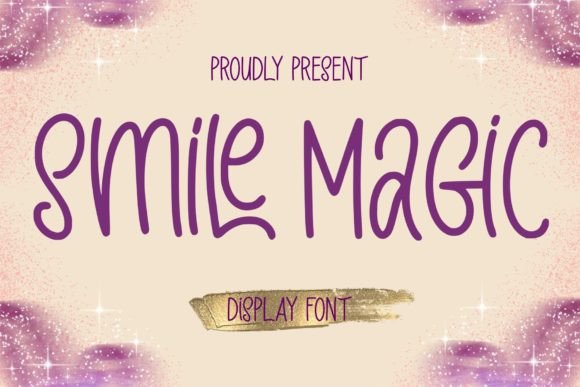
Strategic Typography: Leveraging Smile Magic for Distinctive Brand Positioning
In the crowded landscape of digital marketing and brand communication, typography is often treated as an afterthought—a mere vessel for text rather than a strategic asset. However, experienced designers and marketers understand that typeface selection is a critical decision-making process that directly influences user perception, brand recall, and conversion rates. Smile Magic emerges not just as a aesthetic choice, but as a tactical tool for businesses and creators seeking to differentiate themselves through bold, character-driven visual identity.
This modern display font offers more than whimsical curves; it provides a structured approach to capturing attention in a saturated market. By understanding the specific attributes of Smile Magic, professionals can move beyond random design choices and toward intentional branding strategies that yield long-term results.
Defining the Strategic Value of Display Typography
Before integrating any new typeface into your workflow, it is essential to define its role within your broader communication strategy. Smile Magic is classified as a display font, which means it is optimized for large sizes and short bursts of text, such as headlines, logos, and call-to-action buttons. Its bold, distinct structure ensures high visibility, while its magical twist adds a layer of personality that standard sans-serifs or serifs often lack.
The strategic utility of Smile Magic lies in its ability to convey tone instantly. In an era where users scan content rapidly, the emotional resonance of your typography can determine whether a visitor engages or bounces. The whimsical feel of this font signals approachability, creativity, and confidence. For entrepreneurs and small business owners, this translates to a brand identity that feels human and accessible, rather than corporate and distant.
However, the power of Smile Magic is not universal. It requires careful planning. Using a high-character font for body copy or dense informational text would degrade readability and harm the user experience. Therefore, the decision to use this font must be grounded in a clear understanding of hierarchy. It is a spotlight tool, designed to draw the eye to key messages, not to carry the weight of detailed exposition.
Technical Advantages and Operational Efficiency
From an operational perspective, the technical specifications of a font can significantly impact productivity and design flexibility. One of the most compelling features of Smile Magic is its PUA (Private Use Area) encoding. For designers and developers, this is not merely a technical detail; it is a workflow enhancer.
PUA encoding allows users to access all delightful glyphs, swashes, and alternate characters effortlessly without relying on complex keyboard shortcuts or external character map tools. This seamless access means that creators can experiment with variations in real-time, iterating on logo designs or headline compositions with greater speed and precision. For freelancers and agencies working under tight deadlines, this efficiency translates directly into better resource management and faster project turnaround times.
Furthermore, the availability of diverse glyphs enables a higher degree of customization. A brand can use specific swashes to create a unique logotype that competitors cannot easily replicate. This exclusivity supports long-term brand equity, as the visual identity becomes distinct and ownable. When planning your brand assets, consider how these alternate characters can be used to create a consistent yet varied visual language across different marketing channels.
Contextual Application: When to Deploy Smile Magic
Effective use of Smile Magic requires discernment. It is not a solution for every design challenge. To maximize its impact, you must align its usage with specific business goals and audience expectations. Here are practical scenarios where this font delivers optimal results:
- Brand Logos and Identity Systems: For businesses in creative industries, education, lifestyle, or hospitality, Smile Magic can serve as the cornerstone of a logo. Its distinct character helps establish immediate brand recognition.
- Campaign Headlines: In digital advertising, the headline is the primary hook. Using Smile Magic for ad creatives can increase click-through rates by breaking the visual monotony of standard web fonts.
- Packaging Design: Physical products benefit from typography that stands out on shelves. The bold nature of this font ensures legibility from a distance while conveying a premium, playful quality.
- Social Media Graphics: In feed-based platforms, stopping the scroll is crucial. Quotes, announcements, and promotional graphics using Smile Magic can enhance engagement by adding visual interest.
Conversely, there are contexts where Smile Magic should be avoided. Legal documents, technical manuals, and long-form articles require neutral, highly readable typefaces. Using a decorative font in these contexts would signal a lack of professionalism and hinder comprehension. Strategic typography is about matching the tool to the task.
Risk Management and Common Pitfalls
While Smile Magic offers significant advantages, improper use can undermine your brand’s credibility. One common risk is overuse. When every element of a design screams for attention, nothing stands out. This visual noise confuses the user and dilutes the message. To mitigate this, adhere to the principle of contrast. Pair Smile Magic with clean, neutral sans-serif fonts for body text. This creates a balanced hierarchy where the display font guides the eye, and the secondary font facilitates reading.
Another risk is misalignment with brand values. If your organization positions itself as a serious financial institution or a medical provider, the whimsical nature of Smile Magic may conflict with the trust and stability you aim to project. Before adopting this font, conduct a brand audit. Does the playful tone align with your core values and target audience expectations? If not, the disconnect can erode trust and confuse potential customers.
Additionally, consider accessibility. While Smile Magic is bold and distinct, decorative fonts can sometimes pose challenges for users with dyslexia or visual impairments, particularly at smaller sizes or low contrast. Always test your designs across various devices and screen readers. Ensure that critical information is never solely dependent on the legibility of a display font.
Planning for Long-Term Brand Consistency
Integrating Smile Magic into your brand is not a one-time event; it is an ongoing commitment to visual consistency. To achieve long-term results, develop a typography guideline that specifies exactly how and where the font should be used. Define acceptable color combinations, minimum sizes, and spacing rules. This documentation ensures that every team member, from internal marketers to external agencies, applies the font consistently.
Consistency builds recognition. Over time, audiences begin to associate the unique shapes and feel of Smile Magic with your brand. This association reduces cognitive load, making your communications instantly recognizable. In a competitive market, this familiarity is a valuable asset that drives customer loyalty and preference.
Moreover, regularly review the performance of your typographic choices. Analyze engagement metrics on campaigns that utilize Smile Magic versus those that do not. Are headlines using this font generating higher click-through rates? Is brand recall improving? Data-driven insights allow you to refine your strategy, ensuring that your typography decisions continue to support your business objectives.
Making the Decision: Is Smile Magic Right for You?
Choosing a typeface is a strategic decision that impacts every aspect of your visual communication. Smile Magic offers a powerful combination of boldness, character, and technical flexibility. Its PUA encoding streamlines the design process, while its whimsical aesthetic provides a distinctive voice in a crowded marketplace.
However, its success depends on intentional application. By understanding its strengths and limitations, you can leverage Smile Magic to enhance your brand positioning, improve user engagement, and achieve measurable business results. Approach its use with clarity, pair it thoughtfully with complementary fonts, and remain aligned with your core brand values.
For entrepreneurs, marketers, and creators seeking to elevate their visual identity, Smile Magic is not just a font—it is a strategic instrument. Use it wisely, and it will help you craft messages that resonate, engage, and endure.